Highbury parking permits and moving van regulations
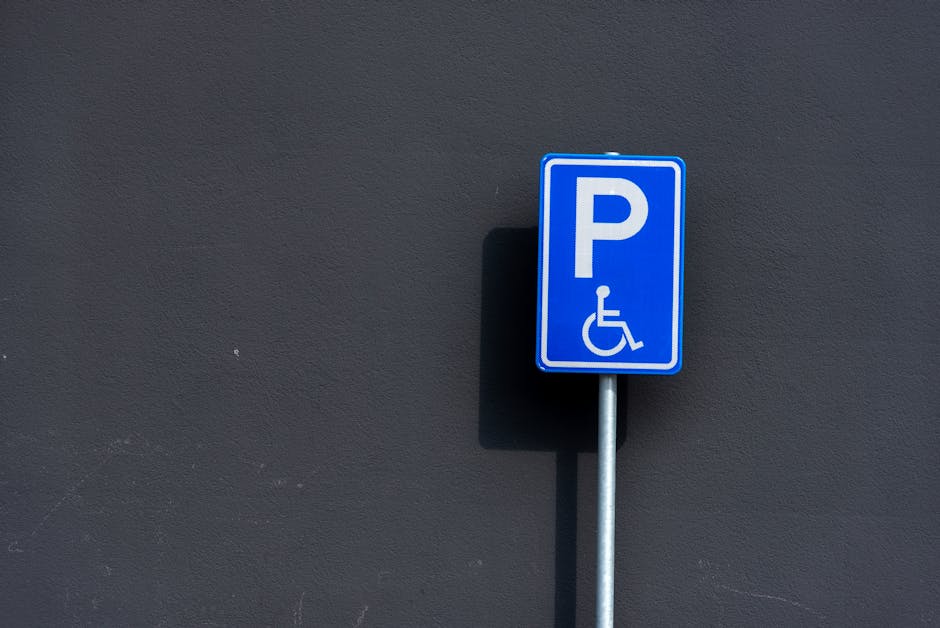
Moving in Highbury sounds straightforward until you picture the van outside, the street half-blocked, and a neighbour already side-eyeing the loading bay. That is where Highbury parking permits and moving van regulations really matter. The right permit, the right timing, and a sensible loading plan can be the difference between a calm move and a stressful, stop-start mess.
This guide breaks everything down in plain English: why parking controls matter, how moving-van access usually works in a London neighbourhood like Highbury, what to check before move day, and how to reduce the risk of delays, fines, or last-minute scramble. If you are planning a house move, flat move, office relocation, or even a quick furniture collection, a bit of local parking know-how goes a long way. Truth be told, it often saves more time than an extra pair of hands.
- Why it matters
- How it works
- Key benefits and practical advantages
- Who needs this and when it makes sense
- Step-by-step guidance
- Expert tips
- Common mistakes to avoid
- Tools, resources and recommendations
- Law, compliance, standards and best practice
- Options, methods and comparison table
- Case study or real-world example
- Practical checklist
- Conclusion
- Frequently asked questions
Why Highbury parking permits and moving van regulations Matters
In Highbury, parking space can be tight, roads can be busy, and loading by the kerb is often less simple than it looks on paper. That is not unique to the area, of course, but it becomes very noticeable on moving day. A van that can't stop legally near the property can slow down the whole operation, especially if you are carrying bulky furniture, boxes, or fragile items up stairs.
The biggest reason this matters is not just convenience. It is also about avoiding disruption. If a moving van blocks a narrow street or stops where restrictions apply, you may end up with unnecessary stress, complaints from neighbours, or penalties if arrangements were not made properly. And if you are moving from a flat, that risk can rise quickly when lifts, stairwells, and timed access all come into play.
There is also a practical side that people sometimes miss. Parking decisions affect labour time. Labour time affects cost. So even if the move itself is small, poor access can make it feel like a much bigger job. That's why many people look at man and van support in Highbury alongside parking planning, not after it.
Key point: the parking plan is not an admin detail. It is part of the move itself.
How Highbury parking permits and moving van regulations Works
The exact rules depend on the street, the type of bay, and the time of day. In London, many roads have controlled parking, loading restrictions, resident bays, pay-and-display spaces, double yellow lines, or timed waiting limits. Highbury is no exception. Some streets are easier to work with than others, and a route that looks fine at 8am can be far less friendly by lunchtime.
Here is the simple version: if a moving van needs to stop where parking is restricted, you usually need to make sure the stop is allowed for loading, or that the relevant parking arrangement has been handled in advance. Sometimes that means a permit. Sometimes it means using a loading bay within the permitted time window. Sometimes it means choosing a different vehicle size so the van can fit a legal space more easily. It depends on the street layout, the duration of the stop, and the council rules in force at the time.
Moving van regulations also cover more than parking. They include things like vehicle access, time restrictions, safe loading practices, and avoiding obstruction of pavements or driveways. In a busy residential street, a van parked badly for even ten minutes can cause a surprising amount of friction. You can hear the beep of another car waiting behind, the scrape of a wheelie bin being dragged aside, and suddenly everyone's day is delayed. Not ideal.
For larger domestic or business moves, it may help to think in terms of access management rather than just parking. If you are arranging home moves or a larger commercial move, the parking plan should sit alongside the packing schedule and building access times.
Key Benefits and Practical Advantages
Getting parking and van access right does more than keep you on the right side of the rules. It makes the whole move feel more controlled. And honestly, most people are relieved once the van is in the right place and the first load is out without drama.
- Less delay on moving day: the crew can start unloading or loading immediately instead of circling for space.
- Lower risk of fines or complaints: sensible parking choices reduce avoidable problems with neighbours or enforcement.
- Better protection for items: shorter carrying distances mean less chance of bumps, drops, or awkward manoeuvring.
- More predictable labour costs: access issues often add time, and time is what tends to inflate moving budgets.
- Safer handling: fewer long carries across the road or through narrow gaps helps everyone stay steadier.
If you are moving out of a top-floor flat, the difference is even clearer. A van parked close and legally can save repeated trips through the stairwell. That matters a lot for things like wardrobes, mattresses, and boxes that seem to get heavier every time you lift them. If your move includes white goods or awkward pieces, it may also be worth looking at flat removals or furniture removals so the access plan matches the load.
Who This Is For and When It Makes Sense
Short answer: almost anyone moving in or out of Highbury who expects a van to stop near the property. But some situations need more attention than others.
- Home movers: especially if you live on a busy road, in a terrace, or in a building with limited bay space.
- Flat movers: common in Highbury, where lift access, stair access, and bay restrictions can all overlap.
- Students: often moving at peak times and under pressure, which is not a great combination with parking surprises.
- Office movers: need tighter timing and better access control, because staff and deliveries may also be in the mix.
- People using a man-with-van service: smaller vehicles can be easier to place, but they still need legal stopping space.
This also makes sense if you are moving only a few items. Let's face it, even a "small" move can become awkward if the van can't park near the entrance. A sofa, a piano, or a stack of archive boxes still needs a sensible loading point. If that sounds familiar, man with van support is often a better fit than trying to improvise with your own car and a prayer.
For very time-sensitive situations, such as same-day arrangements or last-minute collection windows, you may want to review same-day removals as well. The tighter the schedule, the more important the parking plan becomes.
Step-by-Step Guidance
If you want to handle Highbury parking permits and moving van regulations without the usual last-minute panic, use a simple process. It does not need to be complicated. Just be methodical.
- Check the street conditions. Look at the exact address, the side of the road, the bay markings, and any time plates. Don't assume the street works the same end to end. It often doesn't.
- Work out the vehicle size. A small van, medium van, or larger moving truck can change where you can legally stop. A bigger vehicle may need more space than you expect.
- Estimate loading time honestly. A cupboard and six boxes is one thing. A full household is another. Be realistic or you'll be rushing by midday.
- Check whether a permit or suspension is needed. In some cases, a parking bay arrangement may need advance action. If you are unsure, build in time to verify this before moving day.
- Coordinate building access. If there is a concierge, gated entrance, lift booking, or timed move slot, match that with the van arrival window.
- Plan the loading route. Keep the path from van to door as short and clear as possible. Think bins, bikes, planters, and low walls.
- Confirm the schedule with everyone involved. Driver, movers, landlord, building manager, and anyone handing over keys should all know the plan.
That sounds obvious, but the obvious things are exactly what people skip when they're busy. A 10-minute check the day before can prevent a 2-hour headache on the day. It really can.
A very practical rule of thumb
If the van cannot stop legally within a reasonable carrying distance of the property, revisit the plan. Do not force it. Choose a different time, a different bay, or a different access method.
Expert Tips for Better Results
After enough moves, a few patterns become clear. The streets that look easiest are not always the easiest. The cheapest parking option can become the most expensive once delays are added. And the best move days are the ones where someone quietly thought ahead.
- Build in buffer time: London traffic and parking availability can both wobble a bit, even on a good day.
- Use the smallest suitable vehicle: a more compact van can sometimes simplify legal stopping and reduce the carrying distance.
- Keep essential items separate: documents, keys, chargers, kettle, and a snack or two. You'll thank yourself later.
- Protect the route: if you need to carry items over wet paving or uneven ground, make sure the team knows before lifting starts.
- Ask about stair access early: parking and access go together. A good van spot means less carrying, yes, but only if the route inside is clear too.
If you are arranging a bigger move, a vehicle plan may also intersect with packing and timing. Services such as packing and boxes or packing and unpacking services can help keep the process compact, which in turn can shorten loading time and reduce the parking window you need.
One slightly old-school but very effective tip: take photos of the road layout the day before. Nothing fancy. Just a quick snapshot of the bay signs, the kerb, and the frontage. That little habit can help if someone different turns up on the day.
Common Mistakes to Avoid
Most moving problems are not dramatic. They are small oversights that snowball. The good news? Almost all of them can be avoided with a bit of attention.
- Assuming loading is always allowed: some restrictions still apply even if you only plan a quick stop.
- Ignoring the end time of a bay: people often check the start and forget the finish.
- Choosing a van that is too large: bigger is not always better if it means you can't fit the legal space available.
- Not warning neighbours or building staff: a little notice goes a long way, especially in close London streets.
- Underestimating how long loading takes: stairs, lifts, awkward furniture, and traffic all add up.
- Leaving parking decisions until the morning of the move: this is the big one. It tends to end badly.
To be fair, most people are dealing with a lot already. Boxes everywhere, phone calls, maybe a bit of dirt on the hallway floor, and somebody asking where the tape has gone. But parking still needs attention. If it helps, think of it as protecting your moving budget and your sanity at the same time.
Tools, Resources and Recommendations
You do not need a stack of specialist tools to get this right, but a few simple resources make life easier:
- Parking signs and bay markings: check the exact wording on the street, not what you think it says.
- Building access notes: lift codes, concierge details, loading point instructions, and any time restrictions.
- Vehicle dimensions: useful if you are deciding between a removal van and a larger truck.
- Inventory list: helps estimate load size and moving time more accurately.
- Contact details for everyone involved: movers, landlord, and building management if applicable.
For many moves, it also helps to compare vehicle and service types. A removal van can be the simplest choice for tighter streets, while a removal truck hire option may suit larger loads where the route and parking situation are more forgiving. If you need a broader service, removal services can combine planning, loading, and transport in one arrangement.
And if you are still in the planning stage, it is worth comparing prices and what is included rather than going by headline cost alone. A clear quote with access assumptions written down is much more useful than a cheap number that changes later. You can review pricing and quotes if you want to understand how moving costs are typically presented.
Law, Compliance, Standards and Best Practice
This is the bit that sounds dry until something goes wrong. Then it suddenly matters quite a lot.
Parking permits, loading permissions, and moving-van stopping rules are usually governed by local parking controls, road signage, and general traffic regulations. In practice, that means you should always treat the street signs and local instructions as the final word for the exact location and time you are moving. If a permit or bay suspension is required, arrange it in advance rather than assuming there will be room on the day.
Good practice in this context usually includes:
- checking restrictions for both origin and destination addresses;
- keeping the van out of pedestrian routes and driveways;
- loading safely so items do not block the road longer than necessary;
- using appropriate vehicle insurance and safe handling procedures;
- planning for weather, traffic, and building access delays.
If you are using professional movers, it is sensible to choose a company that treats safety and access planning as part of the job, not an afterthought. You can read more about their approach through the health and safety policy and insurance and safety information. For general company details and standards, about us is also useful. Small thing, maybe, but it often tells you a lot about how seriously a team takes the boring-but-important parts of the work.
If a move involves storage because access or timing is not lining up neatly, storage can help reduce pressure. That is especially handy if completion dates shift a little. And yes, they do shift. More often than anyone would like.
Options, Methods, or Comparison Table
There are a few ways to handle a Highbury move, and the best choice depends on vehicle size, load volume, and street access. Here is a simple comparison.
| Option | Best for | Parking/access fit | Main trade-off |
|---|---|---|---|
| Small van | Light moves, single rooms, a few bulky items | Often easiest on narrow streets | May need more trips |
| Standard removal van | Typical flat or house contents | Good balance of capacity and access | Still needs a sensible stopping point |
| Larger moving truck | Bigger household or commercial load | Best where access is predictable | Harder to park in tight streets |
| Man and van service | Quick jobs, smaller moves, flexible timing | Useful where parking is tight and load is moderate | Less capacity than a full removals setup |
If you are moving from a smaller property, a flexible service can be the smartest route. If you are relocating a larger home or office, a more structured move may be safer and less stressful. For example, house removals and office removals usually need more careful access planning than a single-item pickup. That's just the nature of the beast.
Case Study or Real-World Example
Imagine a move from a first-floor flat in Highbury on a road with limited parking and a fairly busy morning traffic flow. The client has a sofa, a bed, several boxes, and a couple of fragile items packed separately. The first instinct might be to arrange the van for the exact moment the keys are released. Sounds efficient. In reality, it can become a rush if the van cannot stop close enough to the building.
In a better version of the same move, the parking check happens the day before. The team confirms the best stopping point, allows a bit of arrival flexibility, and keeps the loading path clear. The van parks legally, the crew starts immediately, and the bulky items are out before the street gets too congested. No shouting out the window, no awkward double-parking, no "I thought there would be space."
That same logic works for student moves and office moves too. If you are moving between tenancies, or shifting desks and filing cabinets, the trick is not just speed. It is alignment. Vehicle, access, parking, and timing all need to line up. That is why services like student removals and office relocation services can be surprisingly helpful when local parking is tight.
Practical Checklist
Use this checklist the day before your move. It's plain, maybe a little boring, and very useful.
- Confirm the exact moving address and entrance point.
- Check parking signs and loading restrictions on both sides of the road if needed.
- Decide what size van or truck is actually appropriate.
- Confirm whether a permit, suspension, or timed loading bay is needed.
- Share access details with the mover, driver, and building contact.
- Keep key items and documents separate from the main load.
- Clear the path from door to van.
- Allow extra time for stairs, lifts, and traffic.
- Prepare for wet weather or awkward road conditions.
- Have a backup plan if the planned stopping point is occupied.
Expert summary: the smoothest Highbury moves are rarely the fastest-looking ones. They are the ones that quietly respect the parking rules, choose the right vehicle, and leave a bit of breathing room for real life.
For a move that feels properly organised from the start, it helps to speak with a team that understands local access issues as part of the service. If you are comparing options, removal companies and house removalists can be a sensible starting point, especially when your street is less than generous with parking.
Get a free quote today and see how much you can save.
Conclusion
Highbury parking permits and moving van regulations are not just a box to tick. They shape how smoothly the whole move goes, from the first lift of a box to the final sign-off at the door. If you handle parking early, choose the right vehicle, and keep access details clear, you give yourself a much calmer day. That's the real win.
Whether you are moving a flat, a family home, a student room, or an office, the same principle applies: the move gets easier when the street plan is realistic. It is one of those small pieces of preparation that saves a lot of unnecessary effort later. And on moving day, that matters more than people expect. It really does.
Frequently Asked Questions
Do I need a parking permit for a moving van in Highbury?
Not always, but you do need to check the exact street rules. Some locations allow loading in certain bays or during specific time windows, while others may require advance arrangements. Always check the signage for both the pickup and drop-off points.
Can a moving van stop on double yellow lines for loading?
Sometimes loading may be permitted for a limited period, but only where the local restrictions and road conditions allow it. This is one of those situations where the wording on the street matters a lot. If there is any doubt, plan a legal stopping point instead of guessing.
What happens if the van cannot park near my property?
The move usually takes longer and may become more physically demanding. Items may need to be carried further, which increases the risk of damage and delay. In tight streets, it is worth choosing a vehicle and schedule that improve the chances of a proper loading spot.
How far in advance should I check parking arrangements?
As early as possible. Ideally, check once the moving date is known and again a day or two before the move. Parking rules can be easy to overlook, and small changes in timing or road activity can make a big difference.
Is a smaller van better for Highbury streets?
Often, yes, especially on narrow roads with limited parking. A smaller van can be easier to place legally and may reduce loading stress. But if the load is large, a single larger vehicle may still be more efficient. It depends on the job.
Do moving van regulations also apply to furniture collections?
Yes. Whether you are collecting a sofa, delivering a wardrobe, or removing old items, the vehicle still needs a legal place to stop. That is why even a quick furniture job can benefit from a parking check first.
What if my building has a narrow entrance or lift booking?
Then the access plan becomes just as important as the parking plan. Make sure the mover knows the entrance width, lift availability, and any time restrictions. Parking close by helps, but only if the building access is ready too.
Are office moves subject to the same parking concerns?
Yes, and sometimes more so. Office moves often involve more people, more equipment, and tighter timing. If staff, deliveries, or building management are involved, the parking and loading plan should be confirmed well in advance.
What is the best service for a small Highbury move?
For smaller loads, a flexible option such as man with a van can work very well, especially where parking is limited. For larger or more complex moves, a fuller removal service may be the better fit.
Can I leave parking until move day?
You can, but it is not a good idea. Waiting until the morning of the move often creates pressure, and parking in Highbury can change quickly depending on the street and time of day. A little planning saves a lot of bother.
What should I ask a removal company about parking?
Ask what vehicle they plan to use, whether they have handled similar streets in Highbury, how they manage loading restrictions, and what information they need from you before the move. A good company will welcome those questions rather than brushing them off.
How do I make sure my move is safe as well as legal?
Combine parking checks with safe lifting, sensible packing, and clear access routes. It also helps to work with a team that follows proper safety and insurance practices. A move that is legal but badly planned is still a headache, so safety and compliance should go together.
If you would like to explore related move planning support, you may also find house removals and removals helpful when comparing service types and access needs.