Removals on Narrow Highbury Streets Access Solutions
If you have ever tried to move a sofa, a wardrobe, and three awkward boxes down a Highbury terrace while a delivery van waits behind you, you will know the problem already: the street is the real obstacle. Removals on narrow Highbury streets access solutions are all about planning the move around tight roads, limited parking, awkward turns, and the everyday rhythm of a busy London neighbourhood. Done well, the move feels calm and controlled. Done badly, it turns into double-parking stress, lifted voices, and a lot of back-and-forth carrying.
This guide breaks the process down in plain English. You will learn how access is assessed, which vehicle choices make sense, how to reduce delays, and what to avoid if you want the day to run smoothly. It is written for people moving within Highbury or into the area, especially where street width, local parking, or shared entrances make things trickier than they first seem.
Why Removals on narrow Highbury streets access solutions Matters
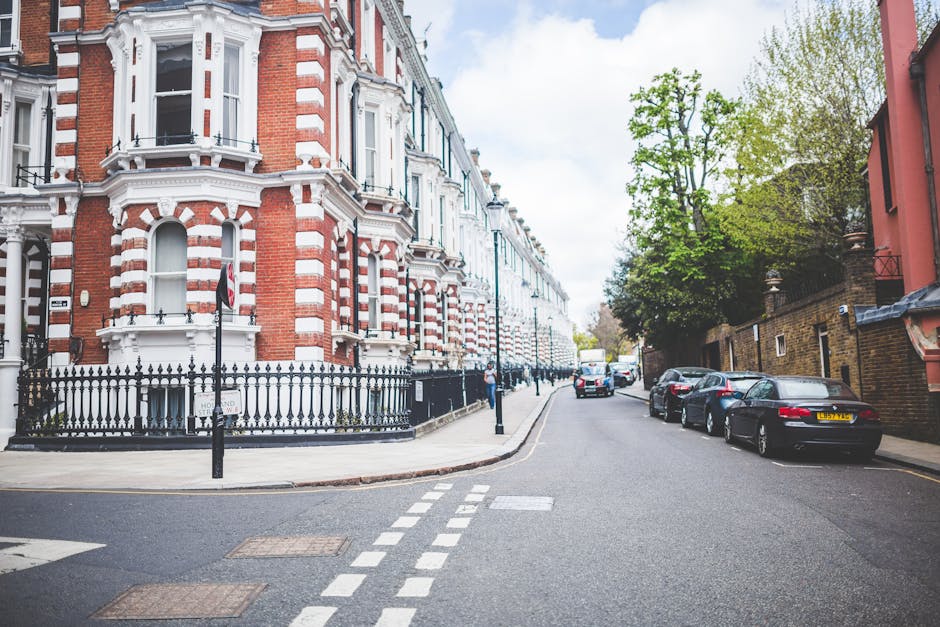
Highbury has a lot going for it: handsome terraces, leafy side streets, good local feel, and a mix of flats, conversions, and family homes. The flip side is that many roads are not exactly built for large removal lorries. Narrow carriageways, parked cars on both sides, bins left out, bike lanes, school traffic, and limited waiting space all create friction. That is why access planning is not a small detail. It is the move.
When access is ignored, the problems tend to stack up fast. The team may have to park far away and carry items much longer than expected. A large van might not be able to turn safely. Neighbours can be inconvenienced. Time windows get blown. And if you have fragile items, heavy furniture, or a tight completion day, a few minutes of poor access planning can feel like a proper headache.
For local moves, good access strategy also protects the property. Narrow stairwells, old plaster, low railings, and shared front steps all make accidental damage more likely. A careful plan reduces knocks, scrapes, and the sort of doorframe mark that somehow becomes impossible to unsee afterwards.
In practice, the best removal day is rarely the one with the biggest vehicle. It is the one with the right vehicle, the right timing, and enough room to work without everyone squeezing past each other.
That is why many people use a service built around local conditions, not just a generic moving package. If you are comparing options, it can help to review a provider's service overview and understand how they handle local access, packing, and transport before booking.
How Removals on narrow Highbury streets access solutions Works
At its simplest, the process starts with assessing the property and the street. That assessment usually looks at road width, parking availability, turning space, steps, entry height, hallway clearance, lift access, and the distance from vehicle to front door. A good mover will also ask about large or awkward items. A piano, a glass table, or a heavy corner sofa changes the whole plan.
From there, the move is matched to the safest and most practical setup. On a narrow Highbury street, that might mean a smaller removal van rather than a full-size lorry. It may mean bringing items out in a controlled sequence, using carrying straps, furniture blankets, and trolley aids, or splitting the move into loads to avoid blocking the road for too long. Sometimes the solution is as simple as arriving earlier than the traffic builds up. Sometimes it is a bit more nuanced than that.
Access planning also includes communication. If a road is especially tight, the team may ask for a parking bay to be kept clear, or for a neighbour to be informed if a shared access point will be used briefly. That kind of coordination sounds small, but it saves so much time on the day. Honestly, it does.
If your move includes more standard items and you want a broader read on the local service landscape, the main removals in Highbury page is a useful starting point. For flats in particular, the dedicated flat removals Highbury option is often the better fit because stairs, landings, and access points become a bigger part of the plan.
Key Benefits and Practical Advantages
Good access solutions do more than make a move feel smoother. They change the whole cost-to-stress equation. Here is what you gain when the access plan is thought through properly.
- Less manual carrying: shorter carry distances mean less fatigue and lower risk of damage.
- Better timing: when the van is placed sensibly, loading and unloading happen faster.
- Lower disruption: neighbours, pedestrians, and passing traffic are less affected.
- Safer handling: awkward items are moved in the right sequence instead of rushed.
- Fewer surprises: parking issues and access bottlenecks are handled before they become expensive delays.
There is also a less obvious benefit: calmer decision-making. When a team knows where it can park, how long it has, and which items are coming out first, everybody works better. It sounds basic, but a calm team makes a better move. Simple as that.
If you are moving bulky furniture, it is worth thinking about specialist handling too. A room full of modular pieces is one thing; a bulky sideboard, an antique cabinet, or a set of dining chairs is another. Pages such as furniture removals Highbury and, where relevant, piano removals Highbury show how a move can be adjusted around item type as well as street access.
Who This Is For and When It Makes Sense
This approach is especially useful if you are dealing with one or more of the following:
- a narrow residential street with parking on both sides
- a basement flat or top-floor conversion with awkward stair access
- shared entrances, gated access, or a limited loading point
- large furniture that cannot be turned easily inside the property
- school-run traffic, market days, or other busy local patterns nearby
- a short completion window where time really matters
- multiple stops, storage drops, or part-load moves
It is not only for big family houses. In fact, some of the trickiest access jobs are smaller flats where the space inside is fine but the street outside is tight. Students moving between flats, for example, often underestimate how long loading takes when a van cannot stop directly outside. If that sounds familiar, the page on student removals may be a helpful reference.
Office moves can run into the same issue. Even a relatively small commercial job can become complex if the building entrance is narrow or shared. In those cases, office removals Highbury and a carefully scheduled arrival window are usually a better fit than a one-size-fits-all approach.
And yes, sometimes you simply need a nimble team with a smaller van. That is where man and van Highbury or man with a van Highbury can make a lot of sense for tight roads and lighter loads.
Step-by-Step Guidance
If you are planning removals on a narrow Highbury street, work through the move in this order. It keeps the pressure down and helps you spot issues early.
- Measure the street access. Look at the width, the parking layout, the turning space, and the nearest practical stopping point. If you cannot park directly outside, work out the next best option.
- Check the property layout. Note stair counts, lift size, doorway widths, hallway bends, and any fragile surfaces. A quick measurement now is better than a wrestling match later.
- List the awkward items. Oversized wardrobes, beds, mirrors, and white goods should be flagged early. If there is a piano, treat it as its own mini-project.
- Choose the vehicle size carefully. Bigger is not always better. On a tight street, a smaller van may be faster because it can position more easily.
- Plan the loading order. Put items in a sequence that mirrors the destination rooms. It saves endless rehandling and avoids the classic "where did the lamp go?" moment.
- Book the right timing. Early starts can help avoid traffic and parking pressure. Midday is sometimes fine, but on some streets it can be chaos by lunchtime.
- Protect surfaces and access points. Use blankets, floor runners, and door protection where needed, especially in period properties.
- Keep neighbours informed if necessary. A quick heads-up about loading can avoid misunderstandings. People are usually more flexible when they know what is happening.
For local guidance on route-sensitive moving, the article on moving from Highbury N5 to Highbury Fields is useful reading because it reflects the kind of short-distance planning that makes a real difference on nearby streets.
And if your move is happening fast, same-day support can be the difference between a manageable day and a frantic one. The same-day removals Highbury option is worth considering when timing gets tight. Not ideal for every move, of course, but sometimes life has other plans.
Expert Tips for Better Results
Here are the small decisions that often have the biggest impact. They are not glamorous, but they work.
- Do a street walk the day before. A ten-minute walk can reveal bin placement, roadworks, or a particularly awkward bend.
- Use smaller loads for tighter routes. Multiple efficient trips can be better than one overambitious one.
- Label items by room, not just by box number. That reduces chaos at the far end, especially when the van cannot unload right outside.
- Separate essentials early. Kettle, chargers, medicines, documents, and tools should travel with you or in the first load.
- Protect corners and handles. Tight access creates contact points. That is where damage tends to happen.
- Ask about insurance and handling procedures. A reputable team should be clear about safety and care standards. If you want reassurance, review insurance and safety before the move.
A small human note here: the best moves I have seen on narrow streets usually feel almost boring. That is a compliment. No drama, no panic, just clear decisions and a team that knows exactly where to stand, when to lift, and when to wait two minutes for a passing car to clear. Boring is brilliant in removals.
For packaging support, a solid box plan matters just as much as the van itself. The packing and boxes Highbury page is useful if you want to reduce loose items and make loading more efficient. And if you need temporary overflow space because access or timings are awkward, storage Highbury can help break the move into two calmer stages.
Common Mistakes to Avoid
Most access problems are predictable. That is the good news. The bad news is that people still make the same mistakes over and over. Let's not do that.
- Booking the wrong size vehicle. Too large can be hard to position; too small can mean wasted time and extra journeys.
- Assuming parking will be easy. In Highbury, "I'll just park outside" can be a risky sentence.
- Ignoring stair and doorway measurements. If a sofa cannot turn the bend, it cannot magically turn the bend.
- Leaving packing to the last minute. Loose packing slows everything down and increases breakage risk.
- Not mentioning awkward items. A piano, a double fridge, or a heavy chest changes the entire plan.
- Failing to coordinate timing with the building. Some properties need lift booking, entry codes, or advance notice. Easy to miss, annoying when missed.
One especially common issue is underestimating how long it takes to walk items to the vehicle when the van cannot stop directly outside. That extra 40 metres may not sound like much on paper. On moving day, with a chest of drawers in your hands, it feels quite different.
If you want to avoid financial surprises as well as access surprises, it is wise to read how to avoid hidden fees in Highbury removals and compare quotes carefully. Access-related extras are not always unfair, but they should be clear from the start.
Tools, Resources and Recommendations
You do not need a giant toolkit, but you do need the right bits and pieces. A move on a narrow street benefits from practical, ordinary items more than fancy kit.
- Measuring tape: for doors, stairs, and furniture widths.
- Furniture blankets: to prevent scratches and knocks during the carry.
- Straps and ties: helpful for securing awkward items inside the van.
- Good labels: the clearer the labels, the faster the unload.
- Floor protection: useful in flats and older houses where surfaces mark easily.
- Spare bags for essentials: keep the urgent items together, not scattered in ten boxes.
In practical terms, the most useful recommendation is to work with a local team that understands Highbury's road patterns, building styles, and common access bottlenecks. If you are still comparing providers, the pages for Removal Company Highbury N5 and removal companies Highbury can help you judge how service scope and local experience fit together.
For customers who want a broader view of the company itself, about us gives you background on the business, while pricing and quotes is the better place to start if you want clarity on how estimates are structured. Both are worth a look before you commit.
Law, Compliance, Standards, or Best Practice
When removals involve narrow streets, you are not usually dealing with complicated legal problems, but you are dealing with practical responsibilities. In London, parking restrictions, loading rules, and local access arrangements vary by street and can change depending on time of day. It is sensible to treat these as part of the move plan, not as an afterthought.
Best practice usually includes the following:
- making sure the vehicle is parked legally and safely
- avoiding obstruction to neighbours, emergency access, or pedestrian routes
- using suitable lifting methods and handling equipment
- briefing the team on fragile items and access hazards
- confirming insurance cover and care procedures in advance
Professional movers should also follow sensible health and safety routines, especially when carrying items on steps or through tight communal areas. If you want to understand how a provider approaches this, review the health and safety policy and the company's general removal services Highbury information. That gives you a better sense of standards than a quick sales call ever will.
For environmentally conscious customers, access planning also ties into waste reduction and fewer unnecessary trips. Efficient loading and right-sized vehicles support better resource use. If that matters to you, the page on recycling and sustainability is a helpful companion read.
Options, Methods, or Comparison Table
Different access problems call for different approaches. There is no single perfect setup for every Highbury street, which is probably the most honest way to say it.
| Method | Best for | Strengths | Trade-offs |
|---|---|---|---|
| Small removal van | Narrow roads, limited turning space, compact loads | Manoeuvrable, easier to position, usually less disruptive | May require more careful loading and occasional extra trips |
| Man and van | Light to medium loads, flat moves, short local journeys | Flexible, efficient, practical for tight streets | Not ideal for very large homes or bulky specialist items |
| Full removal team | House moves, family relocations, multi-room properties | More hands, quicker handling, better for complex loads | Needs more space and tighter scheduling |
| Split move with storage | Timing gaps, access limits, staged handovers | Reduces pressure on the main day | Requires extra planning and a second handling stage |
In many real Highbury moves, the smartest answer is not one method alone, but a blend. For example, a narrow street might call for a small van plus a clear loading sequence, while a larger home may benefit from a full team and a short-term storage step. That mix-and-match thinking is often what saves the day.
Case Study or Real-World Example
Picture a typical Highbury flat move on a weekday morning. The property is on the first floor of a converted terrace, the street is parked up on both sides, and the front door opens straight onto a tight pavement. There is no huge drama on paper, but the access needs are real.
In a case like this, the sensible plan is usually to use a smaller van that can stop legally without blocking the road for long. The team brings out the largest pieces first: bed frame, mattress, sofa, and a couple of boxed items that would otherwise clutter the hallway. Because the street is narrow, the route to the van is kept clear and the item flow is steady rather than rushed. No frantic shuffling, no standing around wondering where the next box should go.
If a large chest of drawers or an especially delicate item is involved, the move may be adjusted. The team might pad the item more heavily, carry it with extra hands, or split the route to reduce risk. If access is so limited that the unloading window is tight, a brief stop at storage can turn a messy move into a controlled one. It is not glamorous, but it works.
That same logic shows up in local neighbourhood moves too. The blog post on house removals in Highbury New Park and Highbury Barn reflects how nearby streets can differ just enough to change the moving plan. And if your move sits close to a busy local landmark or route, the article on man and van moves on Highbury Grove gives a useful sense of why local familiarity matters.
For commercial work, access can be even more exacting. The guide on commercial removals near Emirates Stadium Highbury shows how timing, vehicle choice, and street awareness all come together when business operations are on the line.
Practical Checklist
Use this checklist before moving day. A quick run-through can save a lot of trouble later.
- Measure the front door, stairwell, lift, and the largest furniture items.
- Check whether the van can stop close enough to the property.
- Confirm parking restrictions and loading windows for the street.
- Tell the removal team about tight turns, steps, or communal entrances.
- Identify fragile, bulky, or unusually heavy items early.
- Pack essentials separately and label boxes clearly.
- Keep pathways inside the property clear.
- Arrange storage if timing or access is awkward.
- Review insurance, safety, and handling details before booking.
- Have contact details ready on the day in case plans need a quick tweak.
One last practical note: if you are moving out of a flat, a house, or a business premises, the surrounding street can be more important than the inside of the building. That is a weird little truth of removals. You can have the neatest packing in London, and still lose time if the van has nowhere sensible to sit.
Get a free quote today and see how much you can save.
Conclusion
Removals on narrow Highbury streets access solutions are really about respect for the space you are moving through. Respect for the street, the neighbours, the property, and your own time. When the access plan is realistic, the whole process becomes simpler: fewer delays, safer handling, better loading, and less stress on the day.
If you remember just one thing, make it this: the best move is not the biggest one, or the fastest one. It is the one that fits the street in front of it. That small shift in thinking changes everything, and it can turn a difficult day into a surprisingly smooth one.
And if you are still at the planning stage, that is good. Planning is where the win happens. The rest is just carrying boxes, and frankly, the less drama there, the better.
Frequently Asked Questions
What are removals on narrow Highbury streets access solutions?
They are practical moving methods designed to handle tight roads, limited parking, awkward access points, and short loading distances in Highbury. The aim is to make the move safe, efficient, and less disruptive.
Why do narrow streets make removals harder?
Narrow streets reduce the space available for vans to park, turn, and load. They can also create longer carrying distances and more risk of delay if other cars, bins, or traffic are in the way.
Is a smaller van better for narrow Highbury roads?
Often, yes. A smaller van is usually easier to position safely on a tight street and may speed up loading if a larger vehicle would struggle to fit or manoeuvre.
Do I need to measure my furniture before the move?
Yes, especially for sofas, wardrobes, beds, and white goods. Measurements help the team plan the route, check stairwells, and avoid getting stuck at a doorway or corner.
What should I do if parking outside my property is impossible?
Work out the nearest safe and legal stopping point, then plan the carrying route from there. It may also help to choose a smaller van, start earlier, or split the move into loads.
Can a man and van service work on a narrow street?
Yes, especially for smaller moves, flat moves, or local transfers. The flexibility of a man and van service can make it very practical on tight Highbury roads.
How do I reduce the risk of damage during a narrow-street move?
Use proper packing, protect furniture with blankets, keep pathways clear, and tell the movers about awkward items in advance. A careful loading sequence also helps a lot.
Should I book storage if access is awkward?
If timing is tight or the property cannot be cleared in one clean move, storage can be very helpful. It gives you breathing room and allows the move to happen in stages.
How far in advance should I plan a move on a narrow street?
As early as you can. Even a simple move benefits from advance planning because parking, access, and vehicle size all need to be considered before the day arrives.
Are there special considerations for flats and conversions?
Definitely. Flats often involve stairs, lifts, shared entrances, and tighter internal spaces. That makes access planning just as important inside the property as outside it.
What if I have a bulky or fragile item like a piano?
Flag it early. Specialist items need extra handling, and the access route may need to be planned around their size, weight, and sensitivity. A normal move plan may not be enough.
How do I know if a moving quote is fair for access challenges?
Look for clarity. A fair quote should explain what is included, whether access could affect timing, and if any extra planning is needed. If anything feels vague, ask for it in plain English before you book.
Can local knowledge really make that much difference?
Yes, it can. In Highbury, the difference between a smooth move and a stressful one is often down to knowing the streets, the parking patterns, and the sort of access problems that crop up at certain times of day.